What It Takes to Make Renewable Energy Work for African Businesses and Communities
Power Up Kenya’s participation in two October gatherings in Addis Ababa and Kigali brought into focus the skills, financing and partnerships needed to make renewable energy work for local economies.
Africa’s renewable energy transition is opening up opportunities for businesses, farmers and communities. But expanding access to energy is only part of the picture. For renewable energy to make a real difference, people need the skills to work in the sector, businesses need financing to grow, and communities need solutions that respond to their everyday needs.
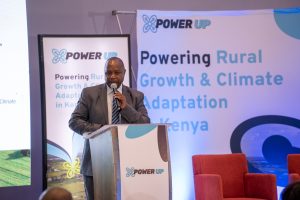
These issues came into focus during Power Up Kenya’s participation in two October events: the IRENA Workshop on Skills Development for Africa’s Renewable Energy Transition, held in Addis Ababa, Ethiopia, from 19–21 October, and the Global Off-Grid Solar Forum & Expo (GOGSFE), held in Kigali, Rwanda, from 27–29 October.
While the discussions covered different aspects of the energy sector, both events raised an important question: how do we ensure that the growth of renewable energy translates into better livelihoods, stronger businesses and more jobs for African communities?
Building the skills to support the energy transition
The first stop was Addis Ababa, where the International Renewable Energy Agency (IRENA) convened a three-day workshop under the Accelerated Partnership for Renewables in Africa (APRA).
Representatives from more than eight APRA member countries joined stakeholders from government, industry, education and international institutions to discuss the skills needed to support Africa’s renewable energy transition.
Conversations focused on emerging skills gaps, technical and vocational education and training (TVET), aligning qualifications with industry needs, and ensuring women and young people can benefit from the jobs created by the sector.
For Power Up Kenya, this discussion connects directly to our work on Productive Uses of Renewable Energy (PURE).
PURE involves using renewable energy to power income-generating activities such as solar irrigation, agro-processing, milk cooling and cold storage. These applications can improve productivity, strengthen agricultural value chains and create jobs, particularly in rural areas.
But having the technology available is not enough. Farmers and businesses need reliable equipment, while technicians must be able to install, operate and maintain it. There is also an opportunity for young people and women to build businesses around supplying, distributing and servicing these technologies.
One point from the workshop stood out: training must connect people to actual economic opportunities. Without access to finance, equipment, markets and business support, technical skills alone may not translate into sustainable employment or viable enterprises.
Making energy access count for businesses and communities
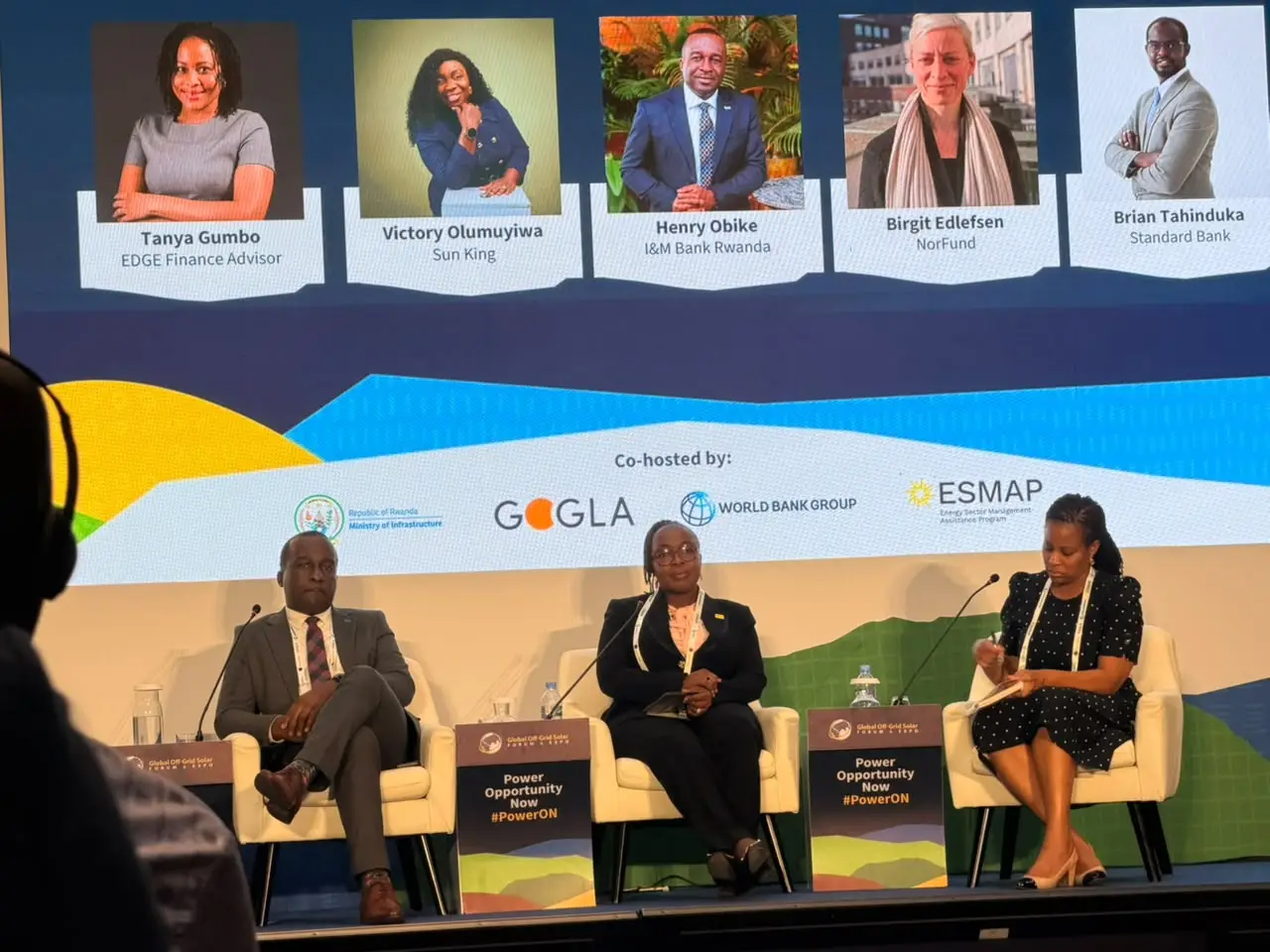
A week later, the conversation continued in Kigali at GOGSFE 2026, organised by GOGLA and the World Bank’s Energy Sector Management Assistance Program (ESMAP).
The three-day Forum brought together more than 1,000 participants from across the off-grid solar and distributed renewable energy sectors, including businesses, investors, policymakers and development partners.
A key message from the discussions was that energy access should not only be measured by the number of connections made, but also by what people are able to do with that energy.
With more than 600 million people across Africa still without electricity, off-grid solutions remain an important way of reaching underserved and remote communities. However, access must also be affordable, reliable and suited to the needs of households, businesses and public institutions.
This was brought to life during the opening ceremony by Kenyan farmer Josephine Waweru, who shared how solar-powered solutions had helped her diversify her agricultural activities, increase her income and support other farmers in her community.
Her experience showed what productive energy access can look like in practice. When farmers can use renewable energy to improve production and expand their businesses, the benefits extend beyond electricity access to livelihoods and local economic growth.
For Power Up Kenya, this is at the heart of advancing PURE.
Finance and policy need to keep pace
Financing was another important part of the Kigali discussions. Clean energy businesses continue to face challenges accessing capital, with financial institutions often concerned about perceived risks, limited business track records and uncertainty around business models.
Discussions with commercial banking representatives highlighted that banks need confidence that clean energy businesses can operate sustainably and repay their loans. Development Finance Institutions can help address some of these concerns through credit guarantees, first-loss facilities and other risk-sharing instruments.
There was also a clear need for closer engagement between financial institutions and businesses to develop financing products that reflect the realities of the sector.
For Power Up Kenya, these conversations reinforce the importance of connecting local enterprises with financiers and development partners. Financing needs to support not just equipment purchases, but also installation, maintenance and the day-to-day operations that keep businesses running.
Policy and energy planning also featured prominently. Discussions highlighted the need for clear energy plans that identify access gaps, set realistic targets and establish the investment required to meet them.
This is particularly relevant to our engagement with national and county governments in Kenya. County Energy Plans should account for the energy needs of productive sectors, businesses and public institutions, alongside household access. They should also help identify where investment is needed and which partnerships can support implementation.
The exhibition and networking sessions in Kigali provided further opportunities to engage with clean energy businesses, explore emerging technologies and connect with potential partners working across the sector.
Bringing the pieces together
The discussions in Addis Ababa and Kigali spoke to different but closely connected parts of Africa’s energy transition. One focused on the skills and workforce needed to support the sector; the other explored the financing, policies and business models needed to expand energy access.
For Power Up Kenya, three areas remain particularly important:
- Policy and planning: Ensuring clean cooking and productive uses of renewable energy are reflected in national and county energy priorities, with clear pathways for implementation.
- Access to finance: Strengthening connections between enterprises, financial institutions and development partners to develop financing that works for clean energy businesses and end users.
- Skills and enterprise development: Connecting training and technical capacity with market opportunities, business support and the growth of local enterprises.
Ultimately, renewable energy needs to work for the people and businesses using it. That means looking beyond infrastructure and electricity connections to consider the skills, financing, services and partnerships that make energy useful.
Through its work with government, counties, businesses, financiers and development partners, Power Up Kenya is contributing to an enabling environment where renewable energy can support productive activities, create jobs and strengthen local economies.